Aircrew Parachute Harness/Pack – Vulcan & Victor Crew Seats: Aviation Harness and Pack System
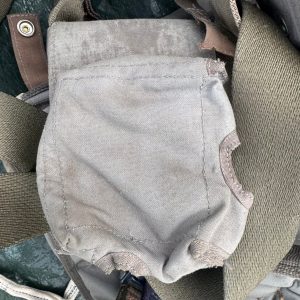
The Aircrew Parachute Harness/Pack – Vulcan & Victor Crew Seats combines historical aviation interest, crew-seat integration potential, harness construction, and emergency-equipment significance.
An Aviation Parachute Harness and Pilot Parachute Harness should be identified through labels, part numbers, manufacturing records, and configuration-specific information.
Every Aircraft Emergency Parachute Harness, Aircrew Safety Harness, Flight Crew Parachute Harness, Emergency Parachute Harness, or Military Aircrew Harness requires individual inspection because age, storage, wear, and modification can affect condition.
Whether described as an Aviation Emergency Escape Harness, Parachute Harness Assembly, Aircraft Crew Safety Equipment, Aircrew Emergency Equipment, or Pilot Emergency Parachute System, the item should be evaluated within its complete original configuration.
An Aviation Safety Harness, Flight Parachute Harness, and Aircraft Parachute Equipment listing should distinguish between operationally inspected equipment, untested historic material, display-only components, incomplete assemblies, and parts items.
Exploring the Aircrew Harness and Pack Configuration
Different seats, crew roles, equipment updates, maintenance programs, and production periods may have used variations in harness, pack, fittings, or attachment arrangement.
Photographs should show the front, rear, sides, webbing, buckles, attachment points, pack, labels, stitching, hardware, and areas of wear.
Parachute Harness Webbing and Hardware
Metal hardware can corrode, crack, deform, seize, or develop sharp edges that damage surrounding material.
Repairs should not be assumed acceptable merely because they appear neat or use similar-colored material.
Pilot Harness Strap Configuration
The adjustment range should be documented when labels or original information are available.
Missing keepers, retainers, pads, straps, or adjustment pieces can affect completeness and appearance.
Evaluating Historic Escape Equipment
The harness alone does not establish the condition or completeness of the complete emergency system.
The relationship between each fitting and its surrounding webbing should remain visible for inspection.
Choosing an Aircrew Safety Harness
Military aircrew equipment can vary significantly between aircraft types, crew stations, and service periods.
The assembly should receive padded support that preserves its natural shape without stretching straps.
Historic Flight Equipment Condition Review
Detailed condition reporting creates a more credible and commercially useful listing.
Transparent information strengthens trust among buyers of Flight Crew Parachute Harness equipment.
Inspecting an Emergency Parachute Harness
Inspection should begin with the harness laid on a clean, dry, nonabrasive surface under strong lighting.
Unknown contamination should be handled carefully and isolated from other equipment.
Military Aircrew Harness Heritage
Responsible descriptions should distinguish verified history from seller interpretation.
Museums and display builders may use the harness/pack to complete a crew-seat installation, cockpit exhibit, training display, or aviation-history presentation.
Evaluating Emergency Escape Gear
Missing components can limit the accuracy of a restoration or display.
Incorrect assembly for display can damage components or create a website misleading configuration.
Parachute Harness Assembly Components
Completeness should be described through visible evidence and available records.
A detailed inventory can increase the commercial value of an incomplete Parachute Harness Assembly.
Choosing Aircraft Crew Safety Equipment
Each item should be identified and evaluated individually because age, storage, configuration, and service history can differ.
Routine preservation should include gentle dust removal, condition photography, label recording, humidity control, pest monitoring, and suitable storage support.
Preserving Aviation Emergency Equipment
Collectors should preserve labels, inspection records, modifications, and storage evidence.
Accurate classification improves the credibility of Aircrew Emergency Equipment sales.
Military Pilot Escape Equipment
A Pilot Emergency Parachute System includes more than a harness because the pack, canopy, deployment equipment, connections, fit, inspection status, and operating procedures all matter.
Opening a historic pack can disturb original packing arrangements, seals, labels, or documentation.
Choosing an Aviation Safety Harness
An Aviation Safety Harness can become a strong centerpiece within a military aviation collection, crew-seat display, cockpit reconstruction, or museum exhibit.
Controlled access supports preservation of the Aviation Safety Harness.
Buying Historic Aircrew Equipment
Clear intended-use classification supports responsible transactions.
Damage, missing components, mixed assemblies, heavy corrosion, cut straps, contamination, or unsupported provenance may reduce value.
Avoiding Incorrect Harness Substitution
Components should not be combined merely because they connect physically.
Any uncertain connection should remain unforced and documented.
Evaluating Historic Parachute Equipment
A detailed review reduces uncertainty and supports realistic valuation.
- Request photographs of the front, rear, sides, webbing, stitching, buckles, attachment points, pack, labels, and included loose parts.
- Do not treat clean appearance, original labels, or previous inspection stamps as proof of current operational suitability.
- Retain purchase records, photographs, provenance documents, packaging, and condition reports with the collection or restoration file.
Historic Parachute Harness Storage
Straps should follow broad natural curves rather than sharp folds that concentrate stress.
Condition photographs taken from consistent angles can reveal gradual changes over time.
Historic Parachute Equipment Presentation
Adhesives, staples, screws, drilling, cutting, or irreversible sewing should be avoided.
Lighting should be limited to reduce fading and fiber deterioration, while the display case should protect against dust, touch, moisture changes, and accidental impact.
Maintaining Historic Aircrew Parachute Equipment
Maintenance of historic aircrew parachute equipment should prioritize preservation, documentation, gentle handling, and prevention of further deterioration.
Organized records support responsible stewardship of Aircrew Emergency Equipment.
Buying Historic Military Aircrew Parachute Equipment
The Aircrew Parachute Harness/Pack – Vulcan & Victor Crew Seats offers stronger commercial appeal when labels, webbing, fittings, pack components, history, and documentation are presented transparently.
Buyers should request detailed photographs, accurate condition descriptions, complete package inventories, secure transaction terms, protective shipping, and specialist review where appropriate.
Whether collectors search for an Aviation Safety Harness, Flight Parachute Harness, or Aircraft Parachute Equipment, historical value should remain separate from operational suitability.
With verified provenance, careful inspection, protected storage, reversible display methods, organized documentation, and responsible conservation, the harness/pack can provide lasting historical value.